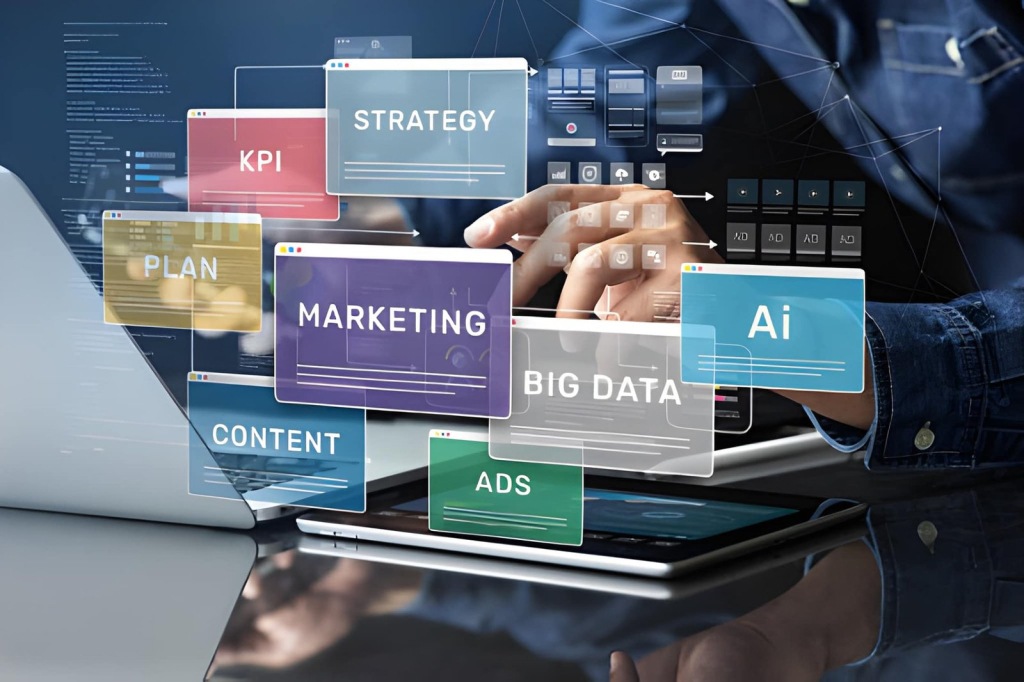
The modern marketing landscape is no longer driven solely by products or services. Instead, brands are competing in what is now widely called the “experience economy”, a space where customer attention is earned through immersive, emotional, and memorable interactions.
At the centre of this shift, an experiential marketing company plays a critical role in helping brands move beyond traditional advertising and into lived experiences. In cities like London, where culture, creativity, and commerce intersect daily, this evolution has accelerated dramatically.
Consumers today expect more than passive exposure. They want to participate, interact, and co-create brand stories. This demand has pushed companies to rethink everything from event design to digital integration, making experiential strategies one of the fastest-growing areas in modern marketing.
Looking to turn your brand into a real-world experience that people remember, talk about, and share? Partner with a team that understands how culture, creativity, and immersive storytelling come together. Reach out today to explore how experiential campaigns can transform audience engagement and drive measurable brand impact.
Why London Leads the Experiential Revolution
London has become a global powerhouse for immersive brand storytelling. Its diversity, cultural depth, and constant influx of global talent make it an ideal testing ground for innovative marketing ideas.
An experiential marketing agency in London operates in a uniquely competitive environment where creativity is not optional, it’s expected. From Shoreditch pop-ups to large-scale West End activations, the city provides endless opportunities for brands to engage audiences in meaningful ways.
London’s ecosystem blends finance, fashion, music, tech, and art into a single dynamic marketplace. This convergence allows agencies to experiment with hybrid experiences that merge physical and digital engagement seamlessly.
The Core Drivers Behind the Experience Economy
Several macro trends are shaping why experiential marketing has become essential:
- Consumers value experiences over ownership
- Social sharing amplifies real-world engagement
- Attention spans are shorter, demanding immersive hooks
- Digital fatigue increases demand for physical interaction
Brands are responding by investing in highly curated experiences that feel personal, exclusive, and culturally relevant. This is where specialist agencies thrive.
A strong cultural marketing company understands that success is no longer measured only by reach, but by emotional resonance and audience participation.
Creativity Meets Strategy in Modern Campaigns
Successful experiential marketing is not just about spectacle, it is about strategy. Agencies must combine storytelling, behavioural insight, spatial design, and digital amplification into a unified experience.
A modern social marketing agency often works alongside experiential teams to ensure that campaigns extend beyond physical spaces into online ecosystems, where engagement continues long after the event ends.
This integration allows brands to build multi-layered narratives that live across platforms, from in-person activations to digital communities.
The Role of Influencers and Digital Amplification
Today’s experiential campaigns rarely exist in isolation. They are designed with shareability in mind, often integrating creators and digital personalities from the outset.
An influencer marketing agency in London typically collaborates with experiential teams to ensure that events are not only attended but also documented and amplified across social platforms in real time.
This synergy transforms physical experiences into digital movements, extending reach far beyond the immediate audience and turning participants into brand advocates.
Connecting with Youth Culture
One of the strongest drivers of experiential success is cultural relevance, particularly among younger audiences.
A youth culture marketing agency understands how trends emerge, evolve, and spread across communities. By tapping into music, fashion, gaming, and digital subcultures, experiential campaigns can feel authentic rather than manufactured.
Brands that align themselves with youth-driven movements often achieve deeper emotional engagement and long-term loyalty.
Social Media as the Experience Amplifier
No experiential campaign is complete without a strong digital layer. Social platforms are where experiences gain momentum, visibility, and longevity.
A social media marketing agency in London plays a critical role in capturing live moments, curating narratives, and ensuring that every activation is optimised for digital storytelling.
From real-time content creation to post-event storytelling, social media transforms a physical experience into a continuous conversation.
If your brand is ready to move beyond traditional advertising and create experiences that drive real emotional engagement, now is the time to explore experiential marketing solutions tailored to your audience. Let’s build something unforgettable together.
Experiential Meets Cultural Storytelling
At the heart of modern campaigns lies cultural storytelling. Brands are no longer just selling products, they are embedding themselves into cultural moments.
A culture marketing agency helps brands navigate this space by aligning campaigns with values, movements, and societal conversations that matter to their audiences.
This ensures that experiential activations do not feel forced but instead become part of broader cultural dialogues.
The Power of Music and Live Engagement
Music remains one of the most powerful tools in experiential marketing. It creates emotion, memory, and energy in ways few other media can replicate.
A music marketing agency in London often works alongside experiential teams to design live activations, branded performances, and immersive sound-driven environments that elevate engagement.
Similarly, a music marketing agency contributes strategic insight into how soundscapes, artist collaborations, and live events can deepen brand resonance.
Pop Culture and Brand Relevance
In a fast-moving digital world, pop culture is a key driver of relevance. Brands that align with cultural moments can achieve rapid visibility and emotional impact.
A pop culture campaigns agency focuses on identifying and leveraging these moments to create campaigns that feel timely, relevant, and highly shareable.
Experiential marketing thrives in this space because it allows brands to manifest cultural trends in real-world environments.
The Strategic Layer Behind Experiential Success
Behind every successful activation is a deep layer of strategic planning. This includes audience research, location scouting, behavioural analysis, and post-campaign measurement.
An experiential marketing agency in London typically blends creative production with analytical insight, ensuring that every experience is both emotionally impactful and commercially effective.
This balance between art and science is what sets leading agencies apart in an increasingly competitive market.
Why Brands Are Investing More in Experiences
Brands are shifting budgets from traditional media to experiential activations because the return on engagement is significantly higher. Experiences create emotional anchors that digital ads alone cannot replicate.
When executed effectively, experiential campaigns generate:
- Higher brand recall
- Stronger emotional connection
- Increased social sharing
- Long-term customer loyalty
This is why companies increasingly rely on specialists rather than generalist firms.
The Future of Experiential Marketing
The future of experiential marketing lies in hybridisation, where physical experiences blend seamlessly with digital technologies like AR, VR, and AI-driven personalisation.
Brands will continue to invest in immersive storytelling that spans multiple environments and touchpoints, ensuring continuity across both real and virtual worlds.
As audiences become more sophisticated, the demand for originality, authenticity, and interactivity will only increase.
To explore how your brand can create immersive, culturally relevant, and high-impact experiences, visit our Contact page and connect with our team. Let’s turn your next campaign into an experience people remember.
Conclusion: London’s Competitive Advantage
London continues to lead the global experience economy because of its unmatched blend of culture, talent, and innovation. The city’s agencies are not just following trends, they are setting them.
By combining creativity with strategy, and culture with technology, experiential marketers in London are redefining how brands connect with people in meaningful ways.
The result is a marketing ecosystem where experiences are no longer optional, they are essential.
FAQ s
1. What is experiential marketing in London?
Immersive brand experiences blending physical events with digital storytelling for emotional engagement. London agencies excel via Shoreditch pop-ups and West End activations in a creative ecosystem.
2. Why does London lead experiential marketing?
Diversity, global talent, and culture-tech-finance fusion enable hybrid, innovative campaigns.
Competitive environment demands creativity, from finance to fashion.
3. What drives the experience economy?
Consumers prefer experiences over products; short attention spans and digital fatigue boost immersive hooks. Social sharing amplifies personal, shareable interactions.
4. How do influencers boost experiential campaigns?
Real-time documentation and amplification turn events into digital movements via London influencer agencies. Creates advocates, extending reach beyond attendees.
5. Why integrate music in experiential marketing?
Live activations and soundscapes build emotion, memory, and energy through artist collaborations. London music agencies design immersive environments.
6. How does social media amplify experiences?
Captures live moments, curates narratives, and sustains conversations post-event. London social agencies optimise for shareability.
7. What is the future of experiential marketing?
Hybrid AR/VR/AI personalisation blending physical-digital for authentic, interactive storytelling. Rising demand for originality as audiences sophisticate.
8. Why invest in experiential over traditional ads?
Higher recall, emotional ties, sharing, and loyalty, ROI beats digital ads alone. Brands shift budgets to specialist agencies for impact.